
Fiber Cement vs Vinyl Siding: Which Holds Up Better in MA Winters?
Winters in Massachusetts are not for the faint of heart: heavy snow, repeated freeze–thaw cycles, coastal salt spray in some towns, and the occasional ice dam put siding to the test. If you’re deciding what’s the best siding for winter, here’s a practical, down-to-earth comparison focused specifically on how each material performs in MA winters — plus real recommendations to help you choose.
Quick answer
- Best overall for durability & weather resistance: Fiber cement.
- Best for low upfront cost & low maintenance (if installed correctly): Vinyl.
- If you want longevity and can tolerate periodic maintenance: go fiber cement.
- If you want lower cost and easier DIY replacement: consider vinyl — but choose high-quality siding and pro installation.
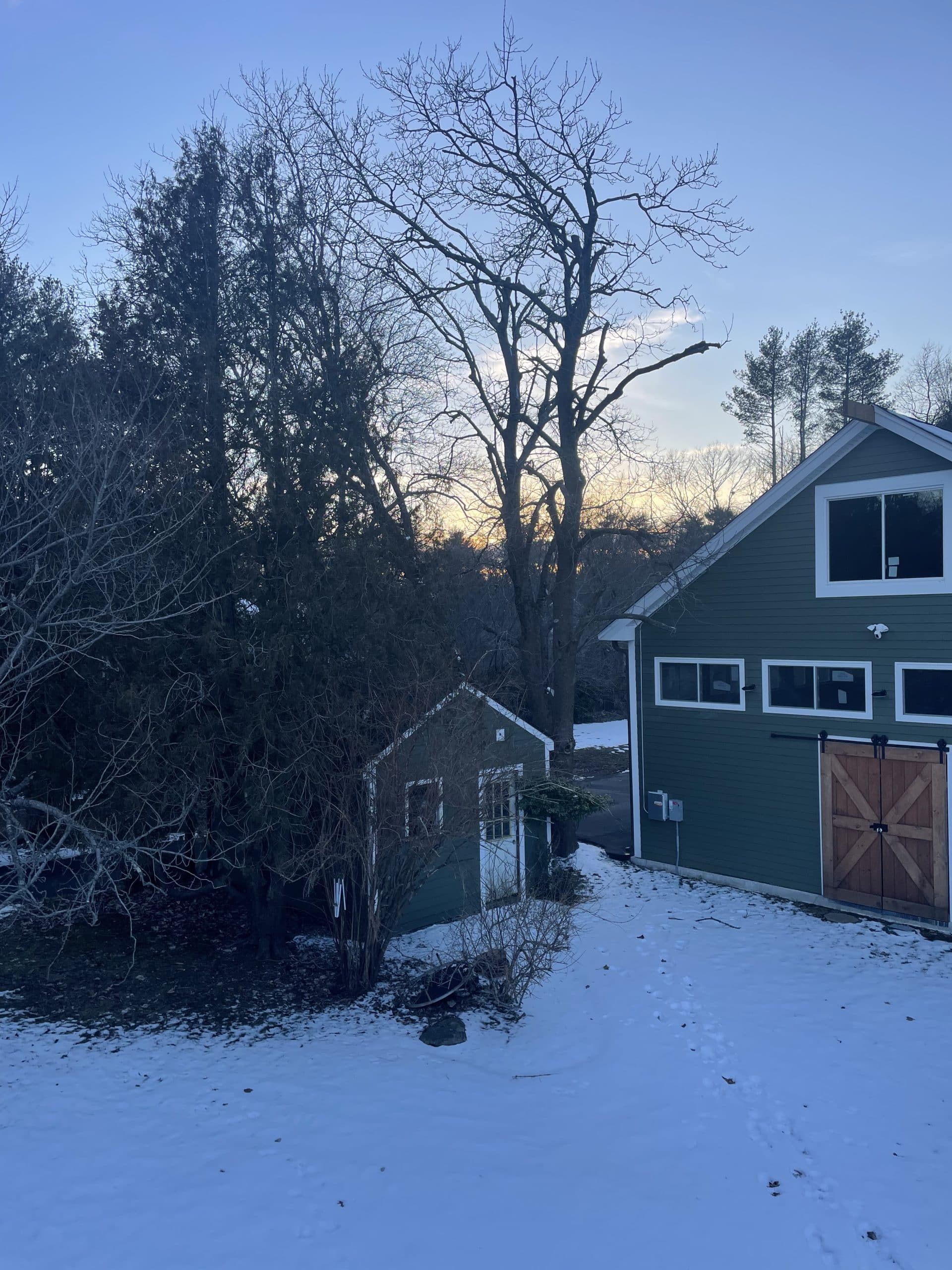
How Massachusetts winters affect siding
- Freeze–thaw cycles — water gets into small cracks, freezes, expands, and can cause cracking, warping, or loss of adhesion.
- Moisture & ice dams — trapped roof/attic moisture can push water behind siding joints. Proper flashing and ventilation are crucial.
- Snow & ice loading — snow rubbing against siding, and the weight/pressure of drifts in tight spots (porches, eaves).
- Salt & coastal air (if applicable) — salt accelerates corrosion on metal trim and can affect finishes.
- Large temperature swings — cause expansion/contraction; materials must tolerate movement without splitting or popping loose.
Material-by-material breakdown
Fiber cement siding
What it is: Cement, sand, and cellulose fibers compressed into boards or planks (brands include HardiePlank and equivalents).
Winter performance:
- Durability: Excellent. Resists freeze–thaw and doesn’t warp from temperature swings.
- Moisture resistance: Very good when properly installed and painted/sealed; the material itself won’t rot.
- Impact resistance: Strong — resists dings from ice and shoveled snow better than vinyl.
- Thermal movement: Low — less expansion/contraction than vinyl, so fewer gaps in cold months.
- Maintenance: Needs repainting every 10–15 years (depending on finish) and occasional caulking of joints.
- Downsides: Heavier and more expensive to install; can chip if struck hard; requires skilled installation and proper flashing/housewrap.
Good fit if: You want a long-lasting, high-end look that stands up to New England weather and you’re willing to invest more upfront.
Vinyl siding
What it is: PVC (plastic) panels in a variety of profiles and thicknesses.
Winter performance:
- Durability: Good, but variable depending on product quality and thickness. Higher-end vinyl fares better.
- Moisture resistance: Naturally water-resistant (won’t rot), but water can be driven behind it if flashing/trim aren’t installed correctly.
- Impact resistance: Less than fiber cement — can crack or split if struck by ice or hard objects in extreme cold.
- Thermal movement: Higher expansion/contraction — requires proper nailing and installation to allow movement; if installed too tight, panels can buckle in heat or pull away in cold.
- Maintenance: Very low — mostly occasional washing and replacing damaged panels. No painting needed.
- Downsides: Can look less like natural materials; lower grades may fade, become brittle over many winters, or blow off in very high winds.
Good fit if: You want a lower-cost, low-maintenance option and choose a high-quality product with pro installation.
Fiber Cement vs Vinyl Siding: Quick Comparison for Massachusetts Winters
| Feature | Fiber Cement Siding | Vinyl Siding |
|---|---|---|
| Durability in MA Winters | Excellent — resists freeze–thaw cycles, snow, and ice. | Good — may crack under impact in extreme cold. |
| Moisture Resistance | Very high — won’t rot or warp when sealed correctly. | Water-resistant but can trap moisture if poorly installed. |
| Maintenance | Repainting every 10–15 years; occasional caulking. | Very low — simple washing and panel replacement. |
| Lifespan | 30–50 years with proper care. | 20–40 years depending on quality. |
| Appearance | High-end, realistic wood look; ideal for historic homes. | Wide color range but less realistic texture. |
| Upfront Cost | Higher — premium material and labor. | Lower — budget-friendly installation. |
This fiber cement vs vinyl siding comparison highlights durability, maintenance, cost, and winter performance for Massachusetts homes, helping homeowners choose the best siding for harsh New England winters.
Installation & details that matter in MA
No matter the material, installation quality is the single most important factor for winter performance:
- Proper flashing & housewrap to prevent water intrusion behind siding (critical with ice dams).
- Adequate ventilation and drip edges to reduce trapped moisture.
- Correct fastening: Vinyl must be fastened loosely (allows movement); fiber cement must be fastened securely and to spec.
- Trim & sealants: Use high-quality, paintable caulk for fiber cement joints; use compatible trim materials near salt air to avoid corrosion.
- Insulation/rigid foam behind siding — adding continuous insulation improves energy performance and reduces thermal shock to siding.
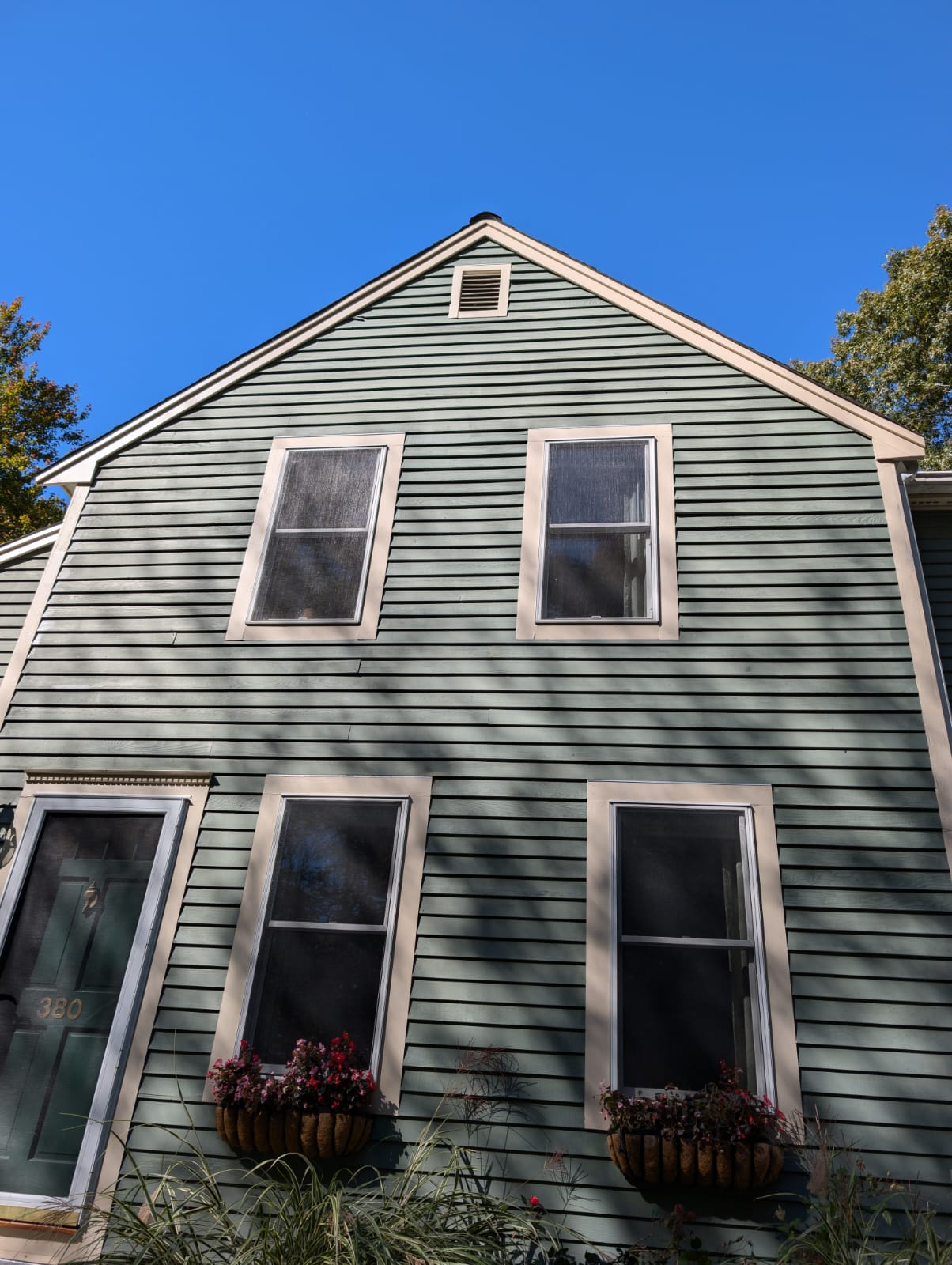
Siding lifespan by material
- Fiber cement: Higher upfront cost; lifespan 30–50 years with proper maintenance.
- Vinyl: Lower upfront cost; lifespan 20–40 years depending on quality and exposure.
Investment vs value: fiber cement often increases curb appeal and resale value more, but vinyl may be a smart choice if budget is tight and you choose a premium product.
Appearance & style
- Fiber cement can convincingly mimic wood shakes, clapboard, or shingles — better for historic/colonial-style MA homes.
- Vinyl comes in many colors and profiles but can look more “factory” unless you choose premium lines and color options.
Which should YOU pick for a Massachusetts house?
- Choose fiber cement if: You prioritize longevity, want a premium appearance that matches traditional MA architecture, and expect your siding to face heavy snow, coastal exposure, or falling-ice risks.
- Choose vinyl if: Budget and low maintenance top your list, the home has moderate exposure, and you pick a thicker, high-quality vinyl and hire a pro installer who knows how to handle thermal movement.
Practical tips before you buy
- Inspect existing details (roof flashing, gutters, trim) — siding can only do so much if other systems fail.
- Buy quality, not bargain — thicker vinyl or a reputable fiber cement brand will pay off in durability.
- Ask installers about freeze–thaw & salt experience — local experience matters.
- Consider a rain screen + continuous insulation — improves durability, moisture control, and energy efficiency.
- Get multiple bids and references — ask how they handle ice dam prevention and what warranties they offer.
Closing recommendation
For most Massachusetts homeowners who want the siding that “just survives” harsh winters year after year, fiber cement is the safer long-term choice. If your priorities are upfront cost and low maintenance, vinyl can still be a solid option — but only if you choose a high-quality product and a contractor who knows how to install it the right way for our climate.
Will vinyl crack in very cold winters?
It can—especially lower-grade, thin vinyl. High-quality vinyl resists cold better, but extreme impacts (flying ice, hard strikes) are more likely to damage vinyl than fiber cement.
Does fiber cement need to be painted every year?
No. Fiber cement is a low-maintenance material and typically needs repainting or refinishing every 10–15 years depending on paint quality and sun/salt exposure.
Which siding is better near the coast?
Fiber cement generally holds up better against wind-driven rain and salt. Vinyl can work if you choose corrosion-resistant trims and install it properly, but coastal exposure favors fiber cement for longevity.
What is the best siding for winter weather?
The best siding for winter weather depends on your home’s needs, but fiber cement and insulated vinyl siding perform exceptionally well in cold climates like Massachusetts. They resist cracking, moisture damage, and strong winds better than wood or aluminum siding, making them reliable choices for long, snowy winters.
How long does siding last by material?
Siding lifespan varies by material:
-
Fiber cement: 30–50 years with proper maintenance
-
Vinyl: 20–40 years depending on quality and installation
-
Wood: 20–30 years but requires frequent upkeep
- Aluminum: 25–35 years, though it can dent easily
Choosing durable materials and keeping up with maintenance can significantly extend your siding’s life in harsh New England conditions.
What’s the best siding comparison for Massachusetts homes?
For Massachusetts homeowners, fiber cement siding offers the best balance of strength, insulation, and weather resistance. Vinyl siding is a more affordable, low-maintenance option, while wood provides a traditional look but needs more care. A professional siding comparison based on your home’s exposure and budget will help you make the best choice for winter protection.
Why are flashing and ventilation important for siding?
Flashing and ventilation play a major role in your siding’s performance. Proper flashing prevents water from seeping behind panels and causing rot, while ventilation allows trapped moisture to escape. Without these elements, even the best siding material can fail prematurely, especially in Massachusetts’ wet, freezing winters.
How do I improve siding performance during Massachusetts winters?
Inspect your siding each fall for gaps, damaged panels, and worn caulking. Make sure flashing around windows and doors is secure and that ventilation is unobstructed. Cleaning your siding and sealing exposed areas can prevent winter damage and extend the lifespan of any material.
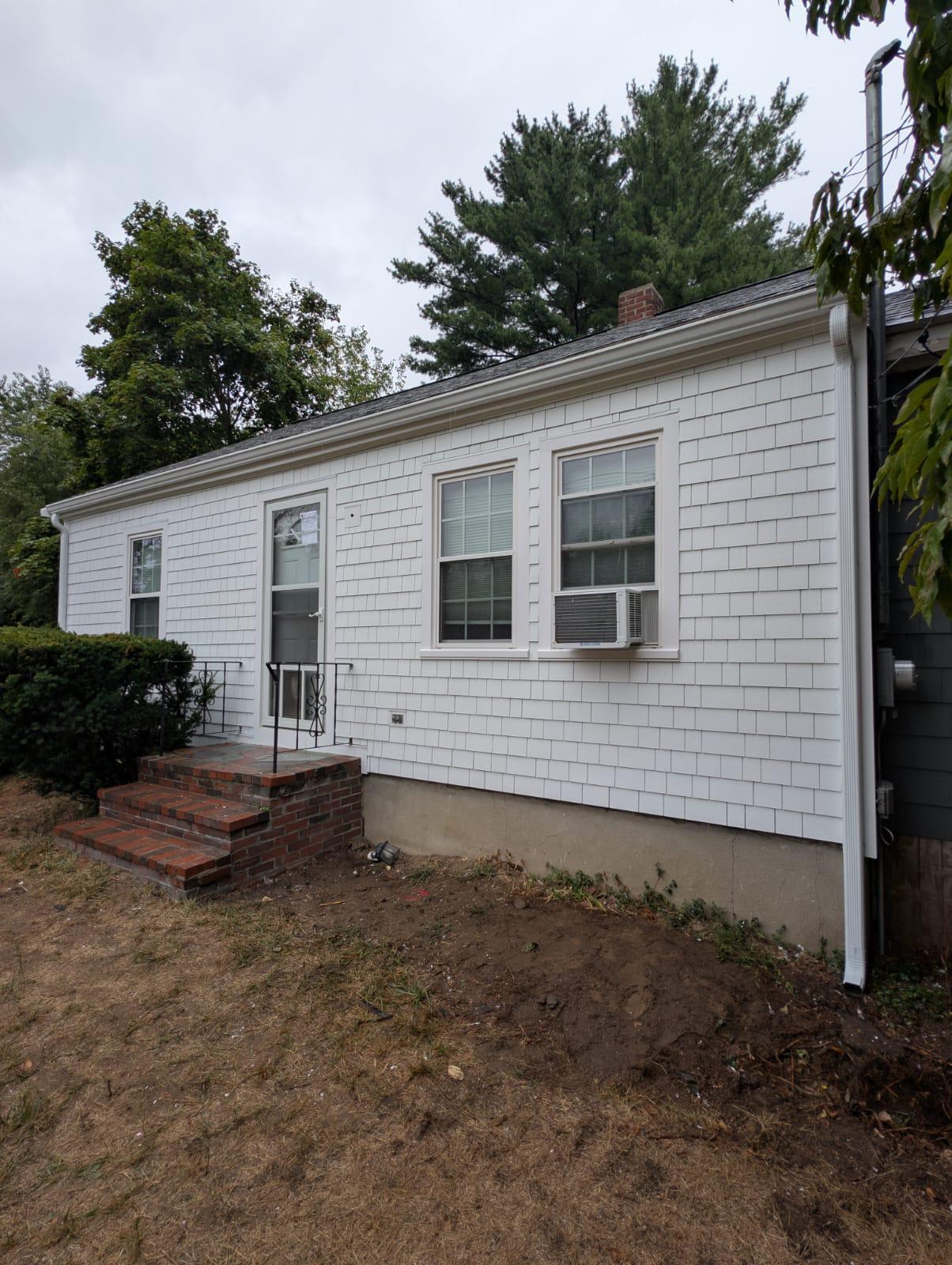
best contractor
Testimonials


Why Choose Marine Home Improvement?
Since launching in 1999, Marine Home Improvement has become a prominent provider of specialized residential roofing services in Massachusetts, particularly excelling in roof replacement. Our wide-ranging expertise extends to delivering high-quality roofing solutions, along with robust siding, bespoke deck construction, and professional window services. Our steadfast commitment to exceptional craftsmanship, backed by comprehensive industry knowledge, places us as a leader in home improvement services. At Marine Home Improvement, we are dedicated to executing each project with excellence, guaranteeing our clients the finest in roof replacement and overall home care.
We understand that every property is unique, and that’s why we offer a wide range of roofing options to choose from. Whether you prefer the classic elegance of slate, the affordability of asphalt shingles, or the environmental benefits of a green roof, we have the materials and expertise to make your vision a reality.
At Marine Home Improvement, we believe in transparency and clear communication. We provide detailed estimates that outline all project costs, so you know exactly what to expect. Our goal is to make the roof replacement process as smooth and stress-free as possible for our clients.
Quality is our top priority, and we source our roofing materials from trusted suppliers known for their durability and performance. We stand behind the quality of our workmanship and offer warranties on both materials and labor to ensure your peace of mind.
Marine Home Improvement’s commitment to service excellence is highlighted by our accreditation with the Better Business Bureau, a testament to our unwavering dedication to maintaining high-quality services and achieving customer satisfaction. For the latest insights into our home improvement endeavors, practical home care tips, and updates on company happenings, follow us on Facebook. Additionally, you can discover firsthand accounts of our high-quality gutter maintenance services through the numerous satisfied client testimonials available on Yelp.