
Coastal roof inspection Massachusetts homeowners need starts with understanding how salt air, wind-driven rain, moisture, and storms affect homes near the water. In towns like Scituate, Duxbury, Hull, Plymouth, Marshfield, Sandwich, and nearby South Shore communities, coastal conditions can wear down roofing materials faster than many homeowners expect.
Instead of waiting for a visible leak, homeowners should know when to schedule a professional roof inspection. This guide explains the warning signs, seasonal timing, and coastal conditions that make roof inspections especially important for homes near the water.
Whether your roof is older, recently exposed to strong winds, or showing early signs of wear, a coastal roof inspection can help catch small issues before they become costly repairs.
Why Coastal Roof Inspections Matter in Massachusetts
Roofs near the ocean deal with year-round exposure. Salt in the air can corrode metal components. Strong coastal winds can lift or loosen shingles. Moisture can collect around shaded areas, roof valleys, flashing, and gutters.
These conditions do not always cause obvious damage right away. A roof may look fine from the ground while small openings, loose flashing, or worn fasteners are already allowing moisture to get underneath the roofing system.
That is why homeowners in coastal Massachusetts should treat roof inspections as preventive maintenance, not just something to schedule after a leak appears.
1. Schedule an Inspection After Strong Coastal Winds
High winds are one of the most common reasons coastal Massachusetts homeowners need a roof inspection. Wind can lift shingles, loosen edges, damage flashing, and push rain into vulnerable areas of the roof.
You should schedule a roof inspection if you notice:
- Shingles in the yard
- Curling or lifted shingles
- Exposed roof patches
- Loose roof edges
- New water stains after windy rain
- Debris impact on the roof
Even if only a few shingles appear damaged, wind can weaken surrounding areas. A professional inspection can determine whether the issue is isolated or part of a larger roof problem.
2. Inspect Metal Roof Components for Salt Air Corrosion
Salt air is especially hard on metal roofing components. Over time, salt exposure can contribute to corrosion on flashing, fasteners, drip edges, vents, gutters, chimney caps, and other metal details.
This matters because these components help seal some of the most vulnerable parts of your roof. Once they deteriorate, water can enter around roof edges, chimneys, vents, skylights, and wall connections.
Common signs of salt air corrosion include:
- Rust stains near flashing
- Loose or deteriorated fasteners
- Worn metal edging
- Staining around vents or chimneys
- Corroded gutter sections
- Damaged chimney caps
Homes closer to the water in areas like Hull, Scituate, Plymouth, Marshfield, Duxbury, and Sandwich should pay especially close attention to corrosion during roof inspections.
3. Check Flashing After Wind-Driven Rain
Flashing protects roof transitions and openings. It is commonly installed around chimneys, skylights, vents, dormers, valleys, and sidewall connections.
In coastal areas, wind-driven rain can push moisture into small gaps that would not be a problem during normal rainfall. If flashing is loose, rusted, cracked, or improperly sealed, water can enter the home.
Schedule a roof inspection if you see:
- Ceiling stains near a chimney or skylight
- Damp attic areas
- Peeling paint near upper walls
- Water marks after heavy rain
- Loose flashing visible from the ground
- Interior moisture after storms
Flashing problems are often repairable when caught early. Waiting too long can allow water to damage roof decking, insulation, drywall, and framing.
4. Look for Moisture, Moss, and Algae on Shaded Roof Areas
Coastal humidity can make shaded roof areas stay damp longer. Over time, this can encourage moss, algae, and moisture buildup.
Moss and algae are not just cosmetic problems. Moss can hold moisture against the roof surface, while algae and damp debris can signal drainage or ventilation issues.
Watch for:
- Green moss patches
- Dark streaks on shingles
- Damp areas that do not dry quickly
- Debris collecting in valleys
- Shaded sections with visible growth
- Soft or deteriorated roof edges
A roof inspection can determine whether the growth is surface-level or connected to a deeper moisture problem.
5. Book a Roof Inspection After Nor’easters or Heavy Storms
Nor’easters can bring a combination of heavy rain, strong winds, snow, ice, and flying debris. After a major storm, roof damage is not always easy to see from the ground.
A post-storm inspection is especially important if your home experienced:
- Heavy wind gusts
- Wind-driven rain
- Ice buildup
- Fallen branches
- Gutter damage
- Interior water stains
- Missing or loose shingles
The goal is not only to find obvious damage. It is also to identify small issues before the next storm makes them worse.
6. Inspect Gutters, Fascia, and Roof Edges
Your gutters, fascia boards, soffits, and roof edges all help move water away from your home. In coastal Massachusetts, these areas can be affected by salt air, wind-blown debris, heavy rainfall, and freeze-thaw cycles.
A roof inspection should include the edges of the roofing system because many leaks begin where water is not draining properly.
Warning signs include:
- Sagging gutters
- Overflowing gutters
- Loose downspouts
- Rotting fascia boards
- Staining on siding
- Water pooling near the foundation
- Peeling paint near roof edges
These issues may not always mean the roof itself is failing, but they can create conditions that lead to roof leaks and exterior damage.
7. Schedule Annual Inspections for Older Coastal Roofs
If your roof is more than 10 to 15 years old and your home is near the coast, annual inspections become especially important.
Coastal exposure can speed up normal wear. Shingles may lose granules, flashing may weaken, fasteners may corrode, and roof edges may deteriorate faster than expected.
Older coastal roofs should be checked for:
- Granule loss
- Brittle shingles
- Curling shingles
- Worn flashing
- Soft spots
- Repeated small leaks
- Deteriorated roof edges
- Poor attic ventilation signs
An annual inspection can help you decide whether your roof needs a small repair, preventive maintenance, or replacement planning.
Best Times of Year to Schedule a Coastal Roof Inspection
For many Massachusetts homeowners, the best times to schedule a roof inspection are spring and fall.
A spring inspection can identify damage from winter snow, ice, wind, and freeze-thaw cycles. A fall inspection can prepare the roof before winter storms arrive.
Coastal homeowners should also schedule an inspection:
- After a nor’easter
- After strong wind events
- After heavy rain with interior staining
- Before listing a home for sale
- Before major exterior renovations
- When the roof is over 10 to 15 years old
- If shingles, flashing, or gutters look worn
The earlier problems are found, the easier they are to address.
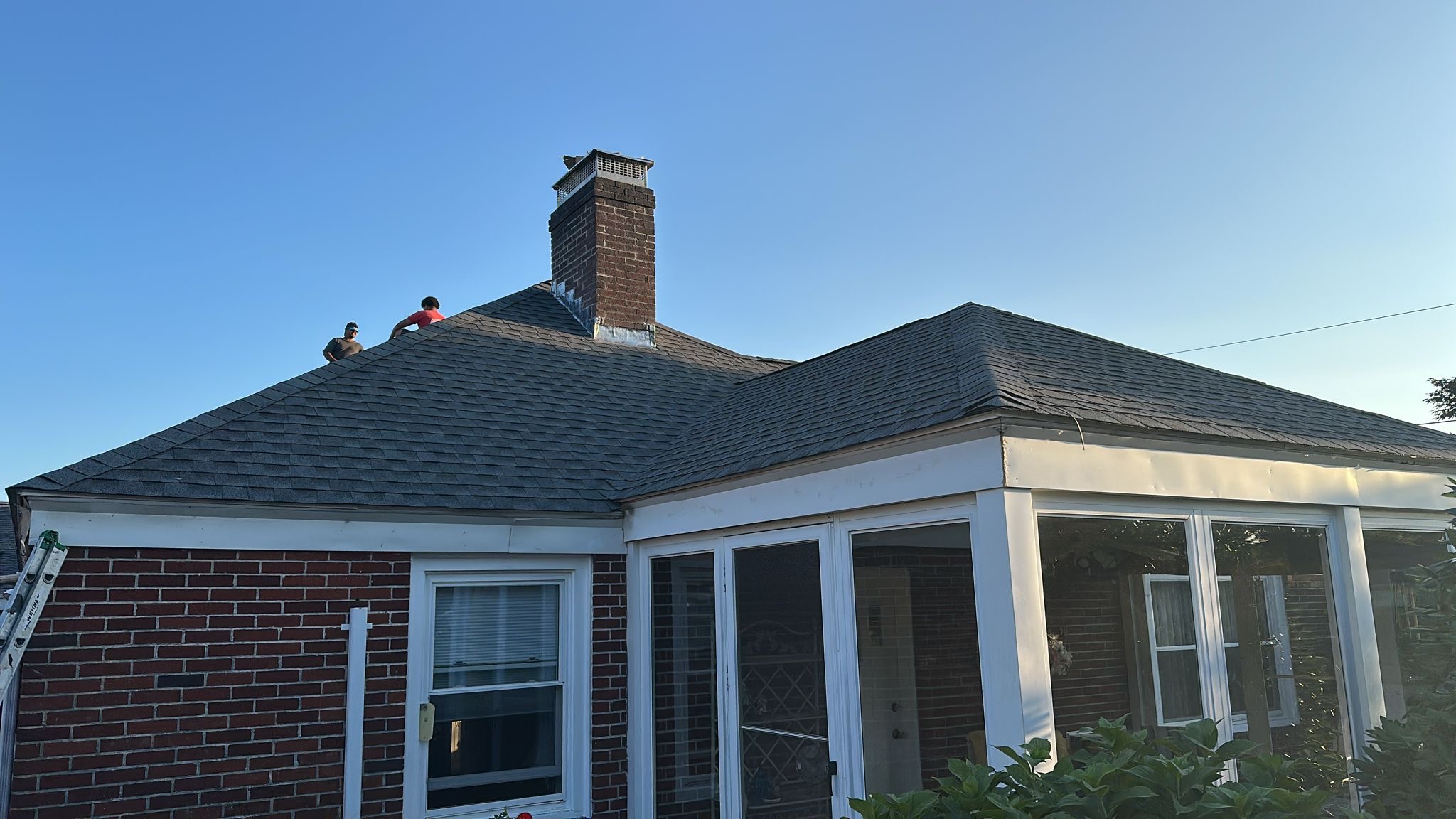
Protect Your Coastal Massachusetts Home
Your roof is your home’s first line of defense against salt air, wind, rain, snow, and coastal storms. If you live near the water, regular inspections can help catch problems before they become expensive repairs.
Why Choose Marine Home Improvement?
Since 2001, Marine Home Improvement has been a trusted roofing and exterior remodeling specialist serving homeowners across Massachusetts. Our team delivers high-quality roof replacements, durable siding installations, custom decks, and professional window upgrades—always with clear communication and a commitment to excellent workmanship.
We use premium materials from trusted suppliers and provide detailed, transparent estimates so you always know what to expect. With strong warranties on both labor and products, you can feel confident your home is in expert hands.
Our BBB accreditation and consistent 5-star feedback on Facebook and Yelp highlight our dedication to reliability and customer satisfaction. When you choose Marine Home Improvement, you’re choosing quality, honesty, and long-lasting results.
FAQ: Coastal Roof Inspections in Massachusetts
How often should coastal Massachusetts homeowners schedule a roof inspection?
Coastal homeowners should schedule a professional roof inspection at least once a year. Homes closer to the water may benefit from additional inspections after major storms, nor’easters, or high-wind events.
What are signs my coastal roof needs an inspection?
Common warning signs include missing shingles, lifted shingles, rusted flashing, ceiling stains, moss growth, loose gutters, damaged fascia, and debris on the roof after storms.
Can salt air damage my roof?
Yes. Salt air can corrode flashing, fasteners, vents, drip edges, gutters, chimney caps, and other metal roof components. Once these parts weaken, water is more likely to enter around roof edges, chimneys, skylights, vents, and wall transitions.
Should I inspect my roof after a nor’easter?
Yes. Even if there is no visible leak, a nor’easter can loosen shingles, damage flashing, clog gutters, and create small openings where water may enter during the next storm.
What roof areas are most vulnerable in coastal homes?
Flashing, roof valleys, shingles near roof edges, gutters, fascia boards, chimney areas, skylights, vents, and shaded roof sections are especially vulnerable in coastal environments.
What towns does this apply to?
This guide is especially relevant for coastal and South Shore communities such as Scituate, Duxbury, Hull, Plymouth, Marshfield, Sandwich, and nearby Massachusetts towns exposed to salt air, wind, moisture, and coastal storms.