
Choosing new siding is one of the most important exterior decisions a Massachusetts homeowner can make. Your siding affects curb appeal, energy performance, moisture protection, maintenance needs, and long-term home value.
For many homeowners, the decision comes down to fiber cement vs wood siding Massachusetts properties need for New England weather. Both materials can look beautiful, but they perform very differently when exposed to coastal moisture, snow, wind, salt air, and freeze-thaw conditions.
If you are comparing wood siding Massachusetts homes have used for generations with modern fiber cement siding MA homeowners increasingly choose, this guide will help you understand which option may be better for your exterior.
Why Siding Choice Matters in Massachusetts
Massachusetts homes face demanding exterior conditions throughout the year. Winters bring snow, ice, and freezing temperatures. Spring and fall can bring heavy rain and damp air. Coastal communities across the South Shore also deal with salt air, strong winds, and elevated moisture.
That means siding needs to do more than look good. It needs to protect the home from water intrusion, resist weather damage, and hold up with realistic maintenance.
Marine Home Improvement regularly creates homeowner-focused exterior content around coastal Massachusetts weather challenges, including how salt air, wind, and moisture affect home materials. Those same environmental concerns apply when choosing siding.
Fiber Cement Siding: Durable, Weather-Resistant, and Lower Maintenance
Fiber cement siding is made from a blend of cement, sand, cellulose fibers, and other materials. It is designed to provide the look of traditional siding with stronger resistance to common exterior problems.
For Massachusetts homeowners, one of the biggest advantages of fiber cement is durability. It resists rot, warping, and insect damage better than natural wood. It also handles moisture better when installed and maintained properly.
Fiber cement is often a strong choice for homeowners who want the appearance of painted siding without the same level of ongoing upkeep required by wood.
Benefits of Fiber Cement Siding
Fiber cement siding is popular because it offers a balance of appearance and performance. It can mimic the look of wood clapboards, shingles, or trim while providing better resistance to moisture and pests.
For homeowners researching James Hardie siding Massachusetts, fiber cement is often considered because it performs well in areas with changing seasons and harsh weather exposure.
Fiber cement can also hold paint well and typically requires less frequent refinishing than wood siding. While it is not maintenance-free, it is usually easier to maintain over time.
Wood Siding: Natural Appearance With Higher Maintenance Needs
Wood siding has a classic, natural look that many homeowners love. It offers warmth, character, and traditional New England curb appeal. For historic homes or homeowners who strongly prefer authentic natural materials, wood can still be a beautiful option.
However, wood siding requires consistent maintenance. It needs to be painted or stained regularly to protect it from moisture, UV exposure, and seasonal wear. If maintenance is delayed, wood can absorb water, peel, crack, rot, or attract insects.
In Massachusetts, where homes are exposed to wet weather, snow, and humidity, wood siding must be carefully maintained to perform well long term.
Moisture Resistance: Fiber Cement Usually Has the Advantage
Moisture is one of the biggest concerns for siding in Massachusetts. Rain, snow, ice, coastal humidity, and wind-driven storms can all affect exterior materials.
Wood siding is naturally vulnerable to moisture. When paint or stain breaks down, water can enter the wood and cause swelling, rot, or decay. This is especially important around seams, corners, trim, windows, and lower wall sections.
Fiber cement is generally more moisture-resistant than wood because it does not absorb water the same way natural wood can. Proper installation is still critical, including flashing, caulking, clearance from grade, and correct fastening.
For homeowners looking for the best siding for New England weather, fiber cement often has the edge because it handles moisture exposure with less ongoing upkeep than wood.
Which Performs Better Near the Coast?
For coastal Massachusetts homes, siding has to stand up to salt air, strong wind, humidity, and frequent storms. These conditions can speed up exterior wear.
Wood siding near the coast can be beautiful, but it often needs more frequent painting, staining, and inspection. Salt air and moisture can accelerate finish breakdown, and once the protective coating fails, the wood beneath becomes more vulnerable.
Fiber cement is generally a better option for many coastal homes because it is more resistant to rot, pests, and moisture-related deterioration. It can also provide the clean, painted look many homeowners want without the same level of maintenance.
This is similar to the way other exterior materials near the coast need stronger protection because coastal homes face salt air, wind, and constant moisture exposure.
Appearance and Curb Appeal
Both materials can look excellent when installed correctly.
Wood siding offers a natural texture and traditional character that is hard to duplicate exactly. It works especially well on historic homes, cottages, Capes, Colonials, and properties where authenticity is a top priority.
Fiber cement siding offers more design flexibility than many homeowners realize. It is available in styles that resemble wood lap siding, shingles, and vertical siding. It can create a classic New England look while offering improved durability.
For many homeowners, fiber cement provides the best balance: strong curb appeal with fewer long-term maintenance concerns.
Cost Considerations
The upfront cost of siding depends on the size of the home, siding profile, trim details, removal needs, labor, and material selection.
Wood siding can vary widely in cost depending on the type of wood used. Cedar, for example, can be attractive but may come with higher material and maintenance costs.
Fiber cement siding can also be a premium investment, especially with high-quality products and professional installation. However, many homeowners consider it a strong long-term value because it can reduce future maintenance demands compared to wood.
When comparing costs, it is important to think beyond installation. Homeowners should also consider painting, staining, repairs, rot prevention, and long-term upkeep.
Which Is Better for Long-Term Value?
For many Massachusetts homes, fiber cement siding offers stronger long-term value because it combines durability, curb appeal, and lower maintenance.
Wood siding can add charm and authenticity, but it requires a more active maintenance plan. If homeowners are prepared to repaint, inspect, and repair it consistently, wood can remain a good option.
Fiber cement tends to make more sense for homeowners who want a long-lasting exterior that can handle New England weather with less upkeep.
This is especially true for homeowners planning to stay in the home long term or those preparing to improve resale appeal.
When Fiber Cement Siding Makes Sense
Fiber cement siding may be the better choice if you want a durable exterior, lower maintenance, and strong resistance to moisture and pests.
It is also a good fit for homes near the coast, homes exposed to heavy weather, and homeowners who like the look of painted wood but do not want the same maintenance schedule.
If you are researching fiber cement siding MA or James Hardie siding Massachusetts, fiber cement is worth considering for both performance and curb appeal.
When Wood Siding Makes Sense
Wood siding may be the better choice if natural material, historic accuracy, or traditional appearance is your top priority.
It can be a good fit for older homes where maintaining original character matters. However, homeowners should be comfortable with ongoing maintenance and periodic refinishing.
Wood siding is not the lowest-maintenance option, but for the right home and homeowner, it can still be a beautiful exterior choice.
Fiber Cement vs Wood Siding Massachusetts: Which Should You Choose?
When comparing fiber cement vs wood siding Massachusetts homeowners should focus on weather exposure, maintenance expectations, budget, and the style of the home.
For most homeowners who want durability, moisture resistance, lower maintenance, and strong long-term value, fiber cement siding is often the better choice.
For homeowners who prioritize natural beauty, historic character, and authentic wood texture, wood siding can still make sense as long as regular upkeep is part of the plan.
The right answer depends on your home, your location, and how much maintenance you want to take on over time.
Request a Siding Estimate from Marine Home Improvement
Your siding protects your home every day. Whether you are replacing worn wood siding, comparing fiber cement options, or planning a full exterior upgrade, Marine Home Improvement can help you choose the right siding for your Massachusetts home.
Our team understands South Shore homes, coastal weather, and the exterior materials that perform best in New England conditions.
Contact Marine Home Improvement today to request a siding estimate and start planning a stronger, better-looking exterior.
Why Choose Marine Home Improvement?
Since 2001, Marine Home Improvement has been a trusted roofing and exterior remodeling specialist serving homeowners across Massachusetts. Our team delivers high-quality roof replacements, durable siding installations, custom decks, and professional window upgrades—always with clear communication and a commitment to excellent workmanship.
We use premium materials from trusted suppliers and are proud to install roofing systems from industry leaders like GAF, one of North America’s most respected roofing manufacturers. This allows us to provide durable roofing solutions backed by strong manufacturer warranties and proven performance.
Every project includes detailed, transparent estimates so you always know what to expect. With strong warranties on both labor and products, you can feel confident your home is in expert hands.
Our BBB accreditation and consistent 5-star feedback on Facebook and Yelp highlight our dedication to reliability and customer satisfaction. When you choose Marine Home Improvement, you’re choosing quality, honesty, and long-lasting results.
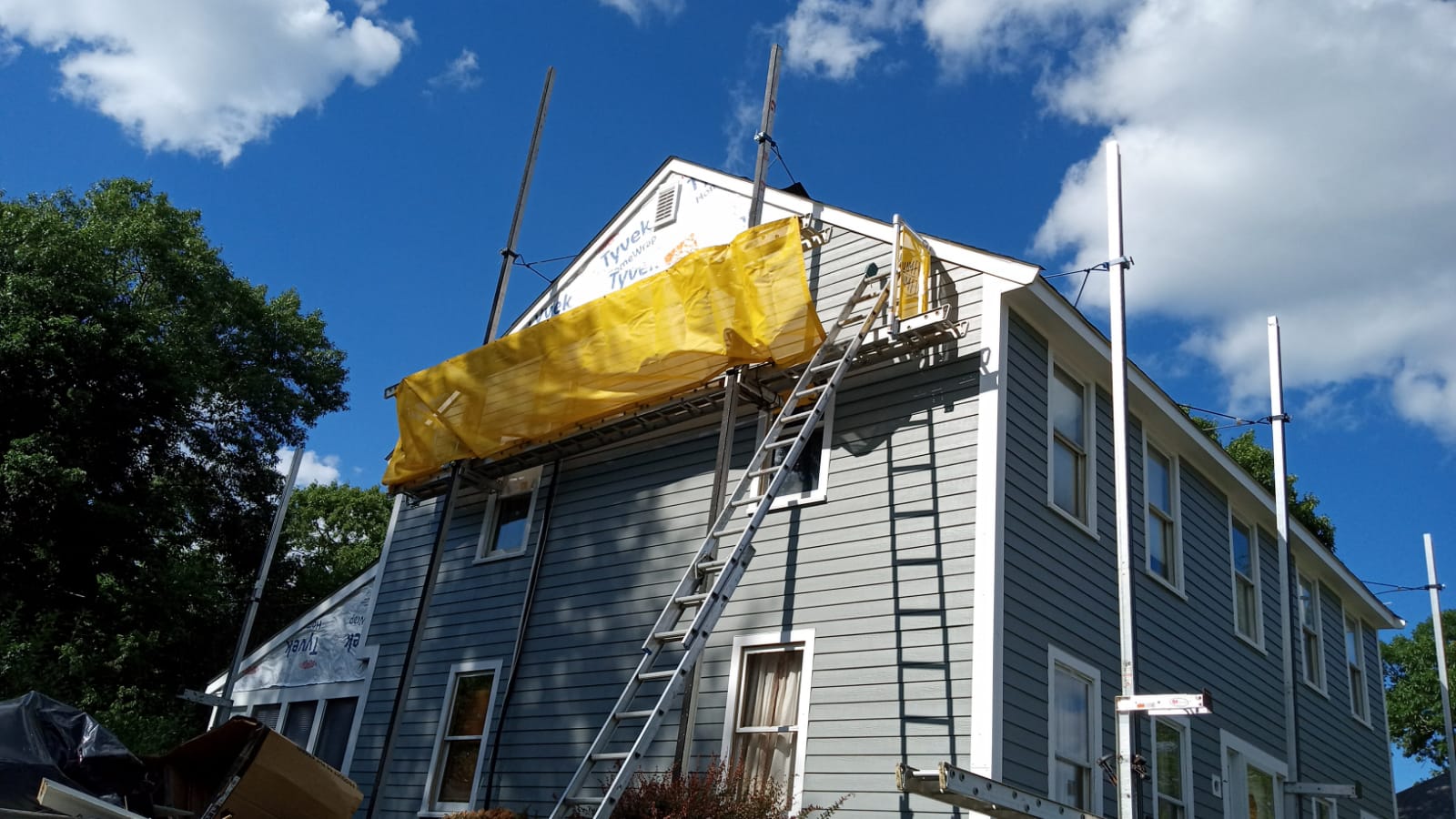
FAQ – Fiber Cement vs Wood Siding Massachusetts
Is fiber cement siding better than wood siding in Massachusetts?
For many Massachusetts homes, fiber cement siding is better for long-term durability, moisture resistance, and lower maintenance. Wood siding offers natural beauty but usually requires more upkeep.
Does wood siding hold up well in New England weather?
Wood siding can hold up well if it is properly installed and maintained. However, moisture, snow, humidity, and coastal air can cause problems if paint or stain is not kept in good condition.
Is fiber cement siding good for coastal Massachusetts homes?
Yes. Fiber cement siding is often a strong choice for coastal homes because it resists rot, pests, and moisture-related damage better than natural wood.
Does fiber cement siding look like real wood?
Fiber cement siding can closely mimic the look of wood siding, including lap siding and shingle styles. It provides a traditional appearance with improved durability.
What is the best siding for New England weather?
The best siding for New England weather is usually a material that resists moisture, wind, freezing temperatures, and seasonal changes. Fiber cement is often one of the strongest options for Massachusetts homes.
Protect Your Home With Better Siding
Ready to upgrade your home with siding built for Massachusetts weather? Contact Marine Home Improvement today for a professional siding estimate. Our team can help you choose the best option for your home, budget, and long-term protection. Call today and get your exterior project started with confidence.