Coastal Siding Protection: How to Protect Your Home in Massachusetts
Living along the Massachusetts coastline comes with breathtaking ocean views, fresh sea breezes, and the charm of New England. However, it also means your home’s exterior faces constant exposure to salt, snow, and coastal winds. That’s why coastal siding protection is essential for maintaining your home’s durability and curb appeal.
Why Coastal Siding Protection is Essential in Massachusetts
Massachusetts homes face a unique combination of salt air, heavy snow, and strong coastal winds. For homeowners living in towns like Quincy, Hingham, Plymouth, and Cape Cod, exterior walls are constantly exposed to these elements. Salt from the Atlantic Ocean can settle on siding surfaces, gradually causing corrosion and discoloration if left unchecked.
Additionally, winter storms create snow drifts, ice dams, and repeated freeze-thaw cycles that stress siding materials. Without proper maintenance and care, minor issues such as small cracks or loose panels can quickly escalate into major repairs. Seasonal inspection and cleaning routines not only prevent damage but also help maintain your home’s energy efficiency and aesthetic appeal.
Choosing Materials for Coastal Siding Protection
Not all siding materials perform equally well in coastal climates. Choosing the right material is a critical first step in coastal siding protection.
-
Vinyl Siding: Low maintenance, moisture-resistant, and affordable.
-
Fiber Cement Siding (e.g., James Hardie): Highly durable against wind, moisture, and pests; excellent for Massachusetts coastal homes.
-
Composite/Engineered Wood: Stable and resistant to moisture expansion or contraction.
-
Natural Wood Siding: Beautiful but requires frequent sealing and care to maintain coastal siding protection.
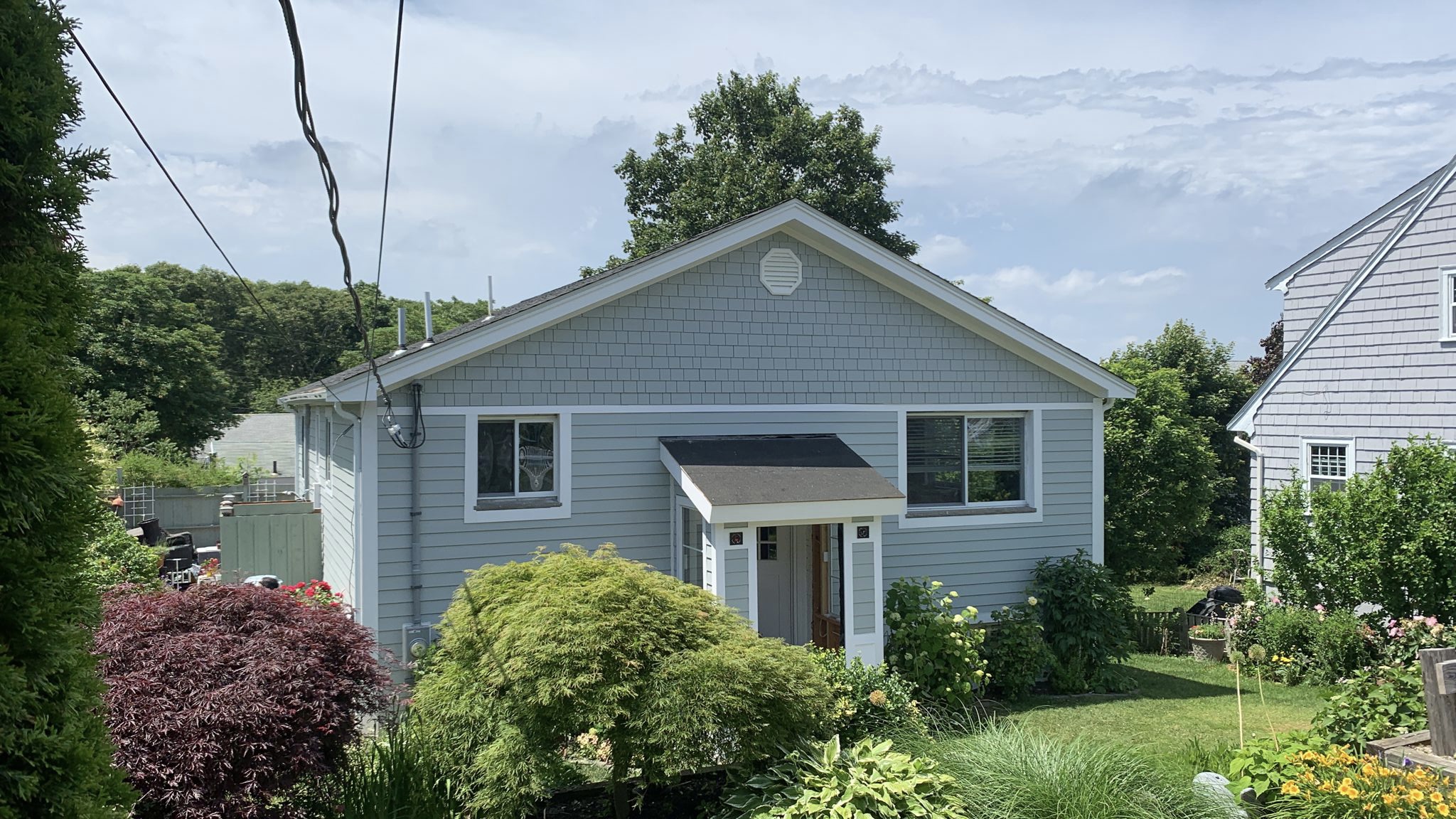
How to Prevent Salt Air Siding Damage for Coastal Siding Protection
Salt exposure is one of the most damaging factors for coastal siding. To minimize salt air siding damage:
-
Rinse siding every 4–6 weeks in spring, summer, and fall.
-
Use a soft brush and mild soap to remove salt buildup.
-
Avoid high-pressure washing, which can force water behind panels.
-
Pay extra attention to ocean-facing walls.
Regular cleaning is a simple but effective step in maintaining coastal siding protection.
Winter Tips for Coastal Siding Protection
Winter is one of the most challenging seasons for Massachusetts siding. Heavy snow accumulation, freezing rain, and strong nor’easters can all contribute to siding damage. Homeowners should make it a priority to inspect gutters, remove ice buildup, and ensure proper attic insulation. Installing gutter guards can prevent ice dams, and snow should be cleared away from the siding base to avoid moisture infiltration.
Additionally, small gaps or cracks should be sealed before winter begins, as water can enter and freeze, causing expansion that damages the siding. Using protective coatings or high-quality stains can also help siding withstand harsh winter conditions. Adding these preventive steps not only reduces the risk of damage but also extends the lifespan of your home’s exterior materials.
Maintenance Strategies to Ensure Coastal Siding Protection
Routine maintenance is the cornerstone of long-term siding durability. Homeowners should schedule professional inspections at least once a year, ideally in spring or fall, to identify early signs of wear, such as warping, paint peeling, or mold growth.
Landscaping also plays a role: keeping shrubs and plants trimmed back prevents moisture from getting trapped against siding surfaces, and maintaining proper drainage helps reduce erosion and water accumulation. In addition, applying sealants or protective coatings helps minimize salt air damage and color fading, which are common in coastal regions.
By combining professional care, seasonal inspections, and DIY maintenance tasks, homeowners can effectively manage siding performance and reduce the need for costly repairs over time.
When to Upgrade for Effective Coastal Siding Protection
Sometimes repairs aren’t enough. Signs your siding may need replacement include:
-
Frequent warping or cracking
-
Noticeable fading or corrosion
-
Water infiltration
-
Structural weakening due to repeated storms
-
Energy efficiency issues
Modern siding materials, like fiber cement and engineered composites, provide superior durability and long-term coastal siding protection for Massachusetts homes.
Working with a Massachusetts Contractor for Coastal Siding Protection
Installing or upgrading siding in coastal areas requires expertise. A professional contractor can:
-
Recommend the right materials for your location
-
Ensure panels are wind- and moisture-resistant
-
Seal vulnerable areas and improve ventilation
-
Inspect and maintain siding seasonally
Expert guidance guarantees that your siding withstands Massachusetts’ coastal conditions year after year.
Conclusion
Coastal siding protection is essential for Massachusetts homeowners living near the ocean. With proper material selection, regular maintenance, cleaning, winter preparation, and professional inspections, you can prevent salt air siding damage, withstand snow and wind, and keep your home’s exterior durable and beautiful.
Protect Your Siding from Coastal Weather Today!
Protect your home from salt, snow, and strong coastal winds with expert siding maintenance and installation from Marine Home Improvement. Our Massachusetts team provides inspections, repairs, and replacements to keep your siding durable and beautiful year-round.
F.A.Q
What is coastal siding protection?
Coastal siding protection includes strategies and materials that help siding withstand harsh coastal elements like salt air, strong winds, and winter snow. These measures prevent damage, extend the lifespan of siding, and keep your home looking great.
How can I protect my siding during winter?
Protect siding in winter by removing snow from the base, preventing ice dams on roofs, checking for small cracks or gaps, and ensuring proper attic insulation and ventilation. Applying protective coatings can also help siding endure harsh winter conditions.
Which siding materials are best for coastal homes?
Fiber cement, vinyl, and composite siding are excellent choices for coastal environments. They resist moisture, wind, and salt better than natural wood. Wood siding can also work if it is properly maintained and sealed.
How often should I inspect my siding?
Homeowners should inspect siding at least once a year, ideally in spring or fall. Look for signs of water intrusion, warping, cracking, or fading. Catching small issues early prevents costly repairs later.
Can landscaping affect siding longevity?
Yes. Overgrown shrubs, climbing plants, or poorly graded soil can trap moisture against siding and increase the risk of damage. Keep plants trimmed and maintain proper drainage to protect your siding.
When should I consider replacing my siding?
Consider replacement if you notice extensive cracking, fading, water damage, or structural issues. Modern siding materials are more durable and require less maintenance, providing better protection for coastal homes.
Why Choose Marine Home Improvement?
Since 2001, Marine Home Improvement has been a trusted roofing and exterior remodeling specialist serving homeowners across Massachusetts. Our team delivers high-quality roof replacements, durable siding installations, custom decks, and professional window upgrades—always with clear communication and a commitment to excellent workmanship.
We use premium materials from trusted suppliers and provide detailed, transparent estimates so you always know what to expect. With strong warranties on both labor and products, you can feel confident your home is in expert hands.
Our BBB accreditation and consistent 5-star feedback on Facebook and Yelp highlight our dedication to reliability and customer satisfaction. When you choose Marine Home Improvement, you’re choosing quality, honesty, and long-lasting results.